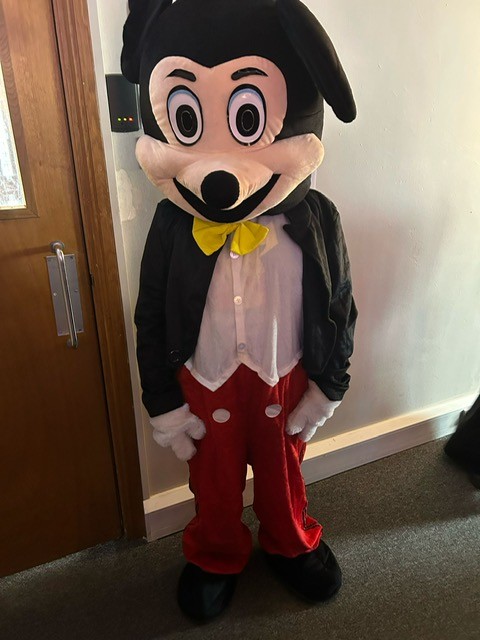
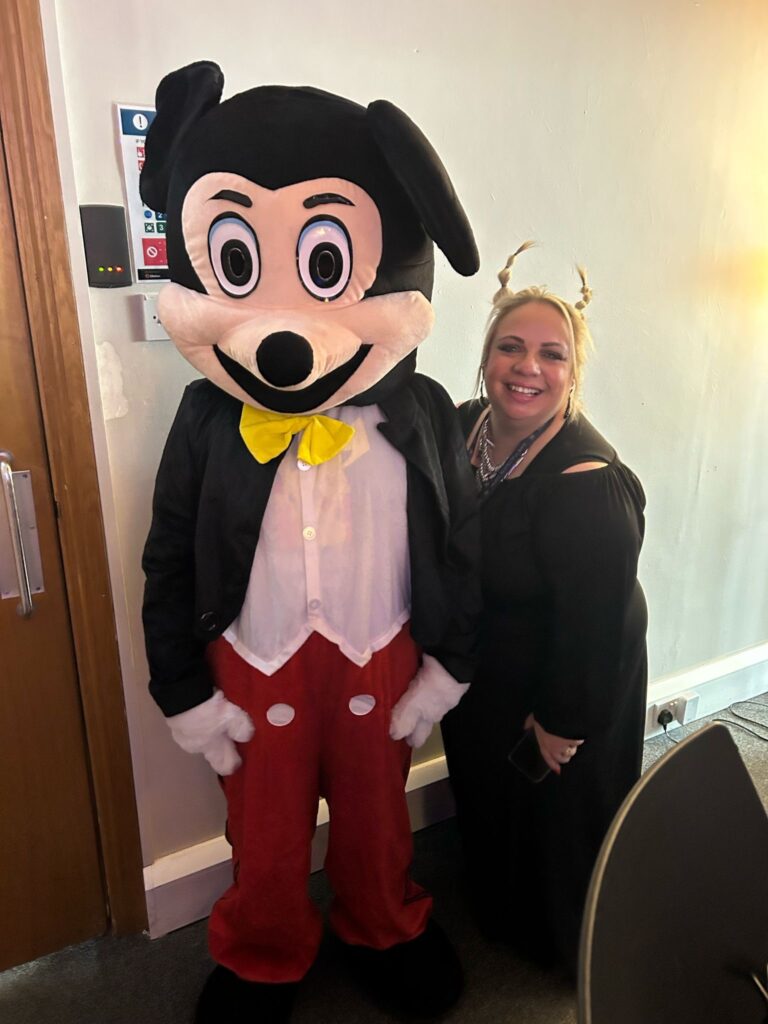
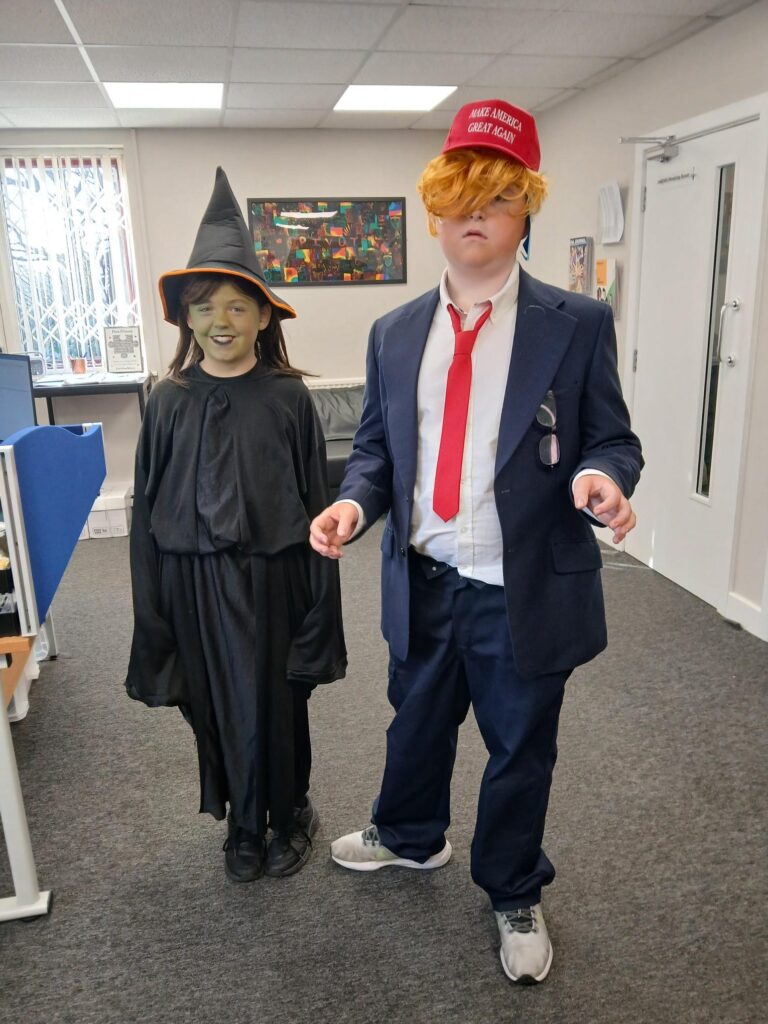
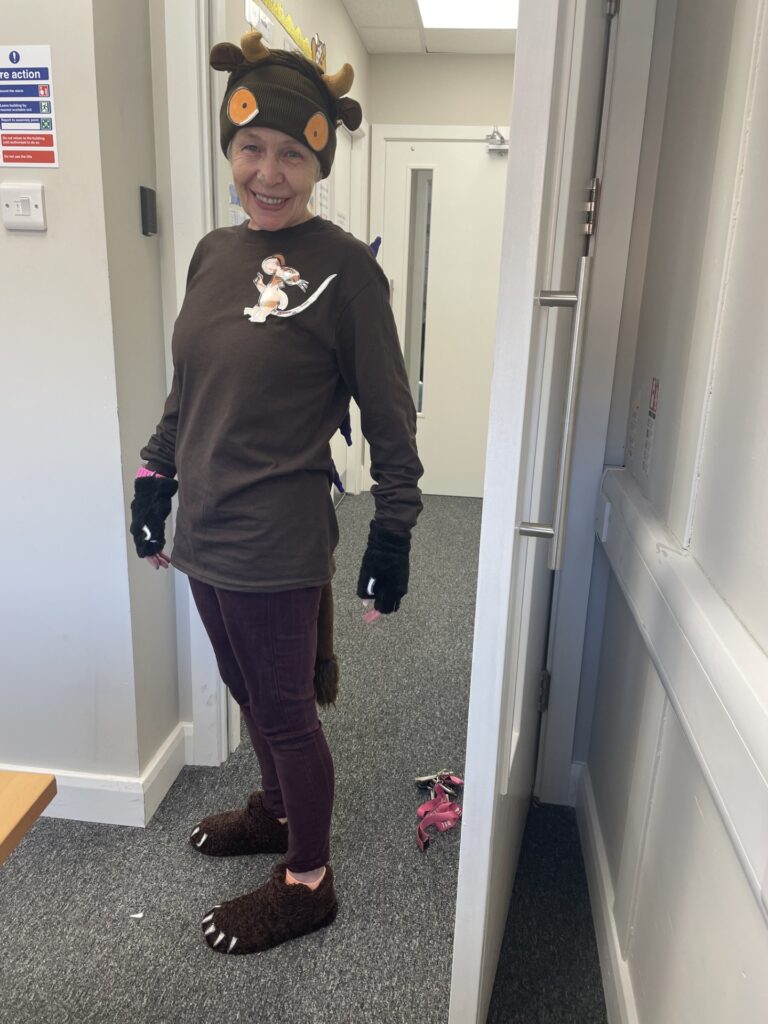
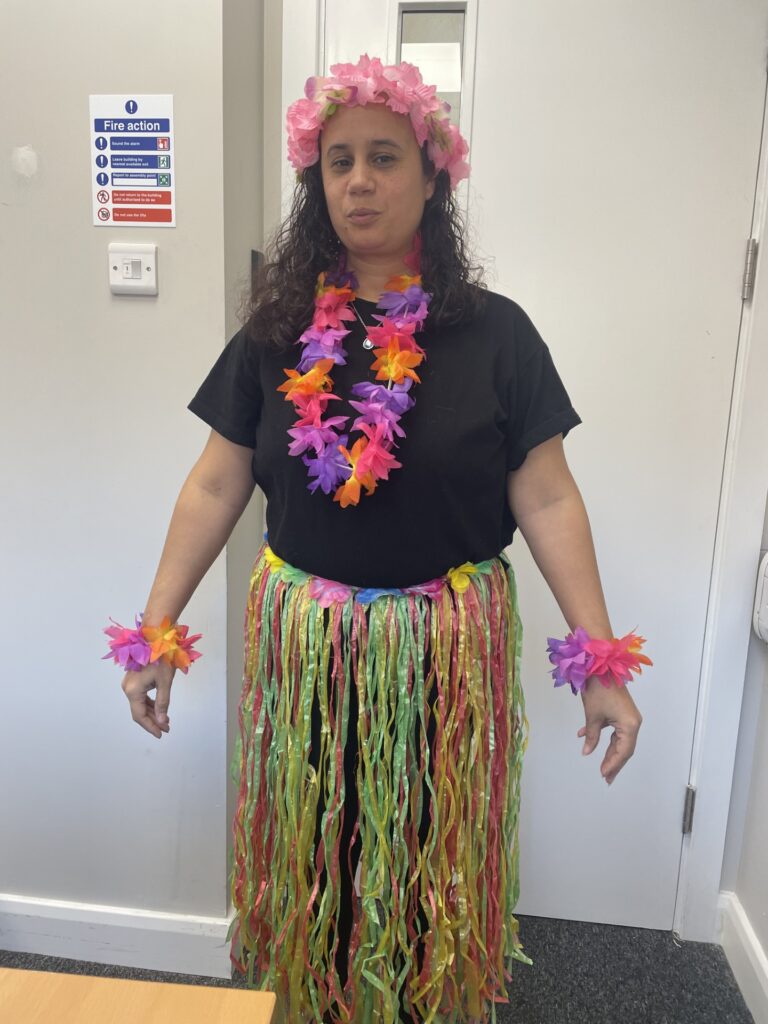
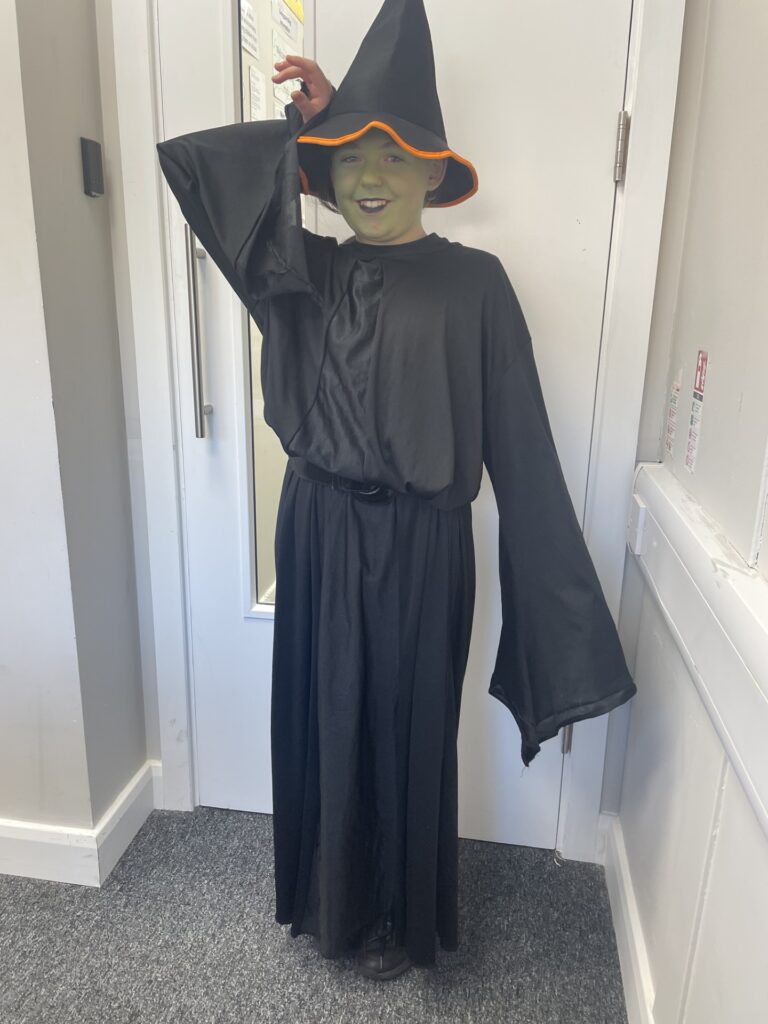
Last month, Pivot learners and staff brought stories to life as they celebrated World Book Day, dressing as their favourite literary characters. From Spiderman to the Gruffalo, Mickey Mouse to Cinderella, the day was a fantastic showcase of creativity, imagination, and the deep connection students feel with the stories they love.
One student shared, “We had the best day. I dressed as Cinderella at the ball, with a tiara and wand. The best staff outfit was Spiderman.”
World Book Day is more than just a day to dress up—it’s a celebration of storytelling and its role in personal growth. Reading is vital to development and forms part of our curriculum Golden Thread, helping young people explore new ideas, understand different perspectives, and expand their imagination. Engaging with books encourages self-expression, fosters creativity, and builds confidence as students immerse themselves in other worlds and voices.
For many learners, World Book Day ignites discussions about their favourite books, characters, and themes, creating opportunities for analytical thinking, shared experiences, and recommendations from peers and staff alike. These conversations deepen their appreciation for literature and enhance their critical thinking skills.
Beyond sparking creativity, storytelling is a crucial tool for learning. Books help shape young minds, offering insights into cultures, emotions, and experiences beyond their own. While stories can be accessed through various mediums, there is something uniquely immersive about holding a physical book—an experience that World Book Day reminds us to cherish.
By celebrating storytelling, we nurture a love for reading that extends beyond the classroom, supporting lifelong learning and personal growth.



In recent news, it has been suggested that the government are currently discussing the EHCP (Educational Health Care Plan) with potential plans to reduce the number of children and young people who have access to it. The EHCP is legally enforceable and is put in place for children who require extra support and personalised teaching plans as decided by a healthcare professional. For many, education without an EHCP would be significantly more challenging, with many failing to access lessons and social time, resulting in major developmental disadvantages.
The EHCP is a topic of discussion, as it is believed that the volume of those accessing it is unprecedented. Approximately 600,000 children have an EHCP, with 85% enrolled in mainstream schools, while the other 15% access education through special schools or alternative provisions. These figures highlight the necessity for EHCPs; for those children in the 15th percentile, tailored learning is in place; however, for the large majority, it is imperative that schools have the funding to support students with an EHCP.
Although the removal of the EHCP will have the most significant impact on those who already have one in place, it will also have a profound impact on other students in the classroom, as well as teachers.
Pivot CEO Michael Smith has this to say.
“This is not only about the pupils with special needs, but also about all pupils. Removing the funding will only add pressure to mainstream teachers. They are fantastic at what they do, but the reality is that they have 30+ children to educate at once. The funding will provide vital support to ensure everyone can continue to access education with the least disruption possible .”
Pivot and similar schools have the resources, skills and provisions to create tailored educational plans for those who have an EHCP; however, this is not the case in mainstream education. Pivot CEO Michael Smith has said this on the matter.
“We feel it is vital for the funding to remain in place for pupils with additional needs. There is a growing range of needs that are being identified. With this specialist staff and resources are essential. The funding is not only about pupils “getting through” education, but more importantly learning the skills to add to society throughout life. This will go towards helping them contribute to society, both from a social and economic standpoint. Our children of this generation deserve the utmost support, guidance, education, and care we can give them. Removing/cutting funding will undermine years of good work whilst also putting future pressure on the health , social care and emergency services.”
Changes are not imminent at this moment; Education Secretary Bridget Phillipson maintains that no final decisions have been made, and any reforms would be outlined in the autumn’s schools white paper. Nevertheless, campaigners are wary after ambiguous comments by senior officials. Here is what will happen in the coming months;
- A formal government consultation is expected later this year in the school’s white paper.
- If the petition continues growing, it may trigger a debate in Parliament.
- Over the summer and autumn, parents, schools, charities and MPs will likely push for clarity and stronger protections.
A coalition of more than 50 academics, charities, campaigners, and public figures — from IPSEA and the National Autistic Society to novelist David Mitchell — has launched the Save Our Children’s Rights (SOCR) campaign. Their petition has quickly surpassed 100,000 signatures, prompting calls for a parliamentary debate theguardian.com+13theguardian.com+13theguardian.com+13.